
Endovascular Procedures
Endovascular procedures are minimally invasive techniques used to diagnose and treat various vascular conditions. These procedures involve accessing the vascular system through small incisions, typically in the groin or wrist, allowing for the treatment of diseases affecting blood vessels without the need for open surgery. With advances in technology, endovascular techniques have become increasingly common, offering patients a safer and more efficient alternative to traditional surgical methods.
What are Endovascular Procedures?
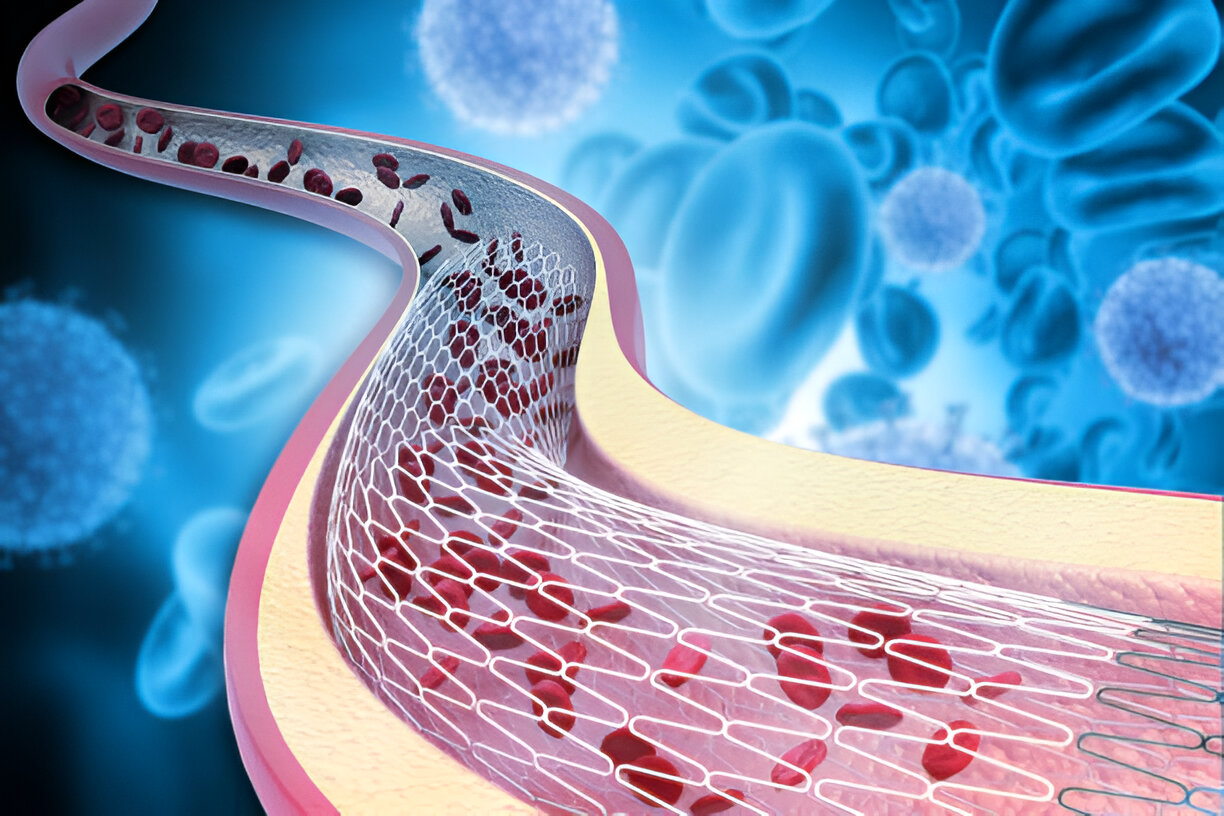
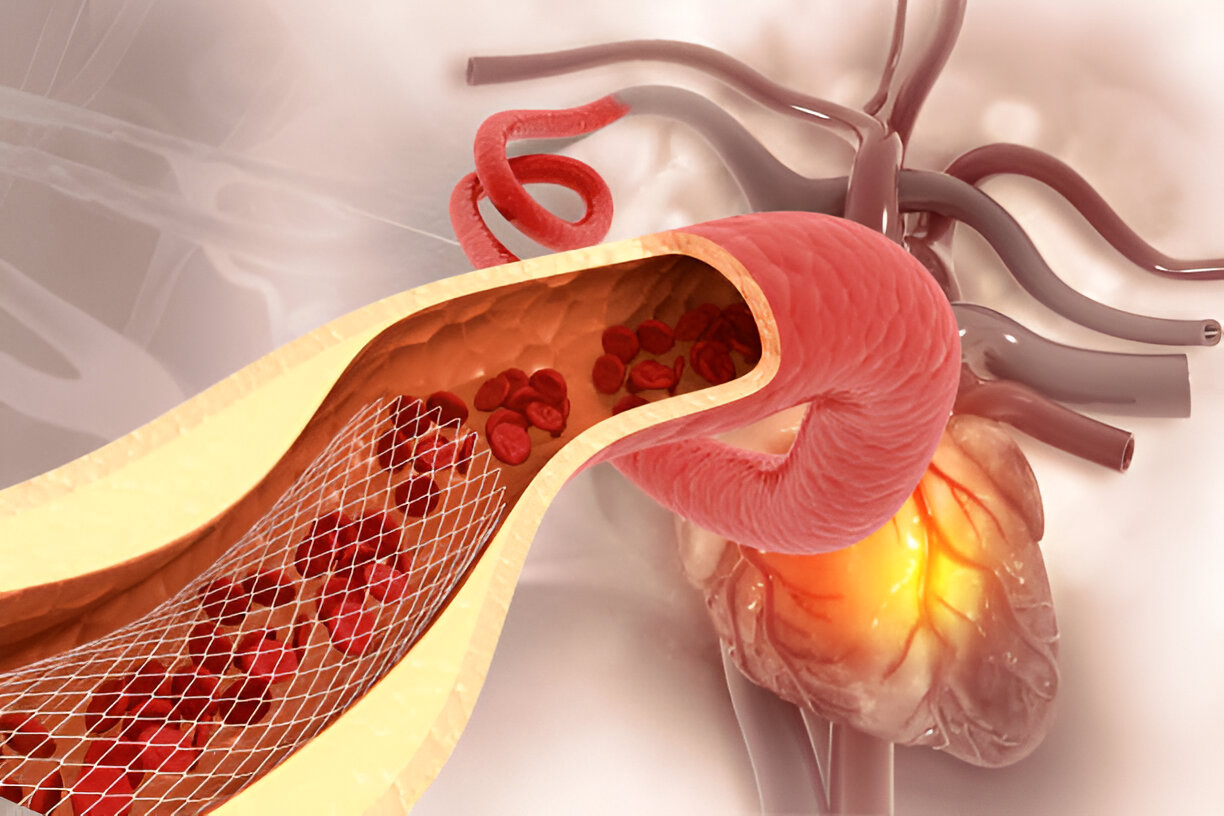
Endovascular procedures utilize catheters, stents, balloons, and other tools to navigate the blood vessels and treat conditions such as aneurysms, blockages, and vascular malformations. This approach reduces recovery time, minimizes pain, and lowers the risk of complications.
- Pre-Procedure Counseling: Detailed discussions regarding the procedure, including risks and expected outcomes.
- Pain Management: Effective strategies will be implemented to manage any discomfort post-procedure.
- Gradual Resumption of Activities: Patients can typically return to normal activities within days, with specific guidance from their healthcare provider.
Endovascular procedures may be indicated for a variety of conditions, including:
- Aneurysms: Abnormal bulging in blood vessels that can rupture.
- Arterial Blockages: Narrowing of arteries due to plaque buildup, leading to reduced blood flow.
- Deep Vein Thrombosis (DVT): Blood clots in deep veins, particularly in the legs.
- Varicose Veins: Enlarged, twisted veins that can cause discomfort and cosmetic concerns.
- Minimally Invasive: Smaller incisions lead to reduced postoperative pain and scarring.
- Shorter Recovery Time: Patients typically recover faster compared to traditional surgery, often returning home the same day or the following day.
- Lower Risk of Complications: Reduced risk of infection and other complications associated with open surgery.

While endovascular procedures are generally safe, potential risks include:
- Bleeding: At the catheter insertion site or internally.
- Infection: Risk of infection at the access site or within the vascular system.
- Vascular Injury: Rarely, blood vessels may be damaged during the procedure.
- Allergic Reactions: Potential reactions to contrast dye used in imaging.


Post-Procedure Care
- Monitoring: Patients are typically monitored for a few days in the hospital to manage any complications.
- Follow-Up Appointments: Regular imaging (CT or ultrasound) is necessary to ensure the stent graft remains in place and functions properly, usually within the first year and annually thereafter.
- Lifestyle Modifications: Patients are encouraged to adopt a heart-healthy lifestyle, including a balanced diet, regular exercise, and avoiding smoking.
- Pre-Procedure Consultation: Detailed discussions with the healthcare team about risks, benefits, and expectations.
- Pain Management: Most patients experience manageable discomfort post-procedure, typically alleviated with prescribed medications.
- Return to Normal Activities: Many patients can return to daily activities within a few weeks, but heavy lifting and strenuous activities should be avoided initially.
Patient Testimonials


FAQ's
How long does an endovascular procedure take?
Most procedures take 1-3 hours, depending on the complexity of the case.
Will I need anesthesia for the procedure?
Procedures are typically done under local anesthesia with sedation, but general anesthesia may be used in some cases.
How long is the recovery period?
Recovery is usually quick, with many patients resuming normal activities within a few days.
Talk To Us
If you or a loved one is facing vascular issues and considering endovascular procedures, our dedicated team is here to provide expert care and support.