
Coronary Artery Bypass Grafting (CABG)
Coronary artery bypass grafting (CABG) is a critical surgical procedure designed to improve blood flow to the heart in individuals with severe coronary artery disease (CAD). With approximately 400,000 CABG surgeries performed annually in the United States, understanding this procedure is essential for patients and their families. This guide provides in-depth information about CABG, including its indications, procedure details, benefits, risks, recovery, and ongoing care.
What is CABG?
CABG is a surgical intervention that reroutes blood around blocked or narrowed coronary arteries, using grafts made from healthy blood vessels taken from other parts of the body. The goal is to restore adequate blood flow to the heart muscle, reducing the risk of heart attack and improving overall cardiac function.
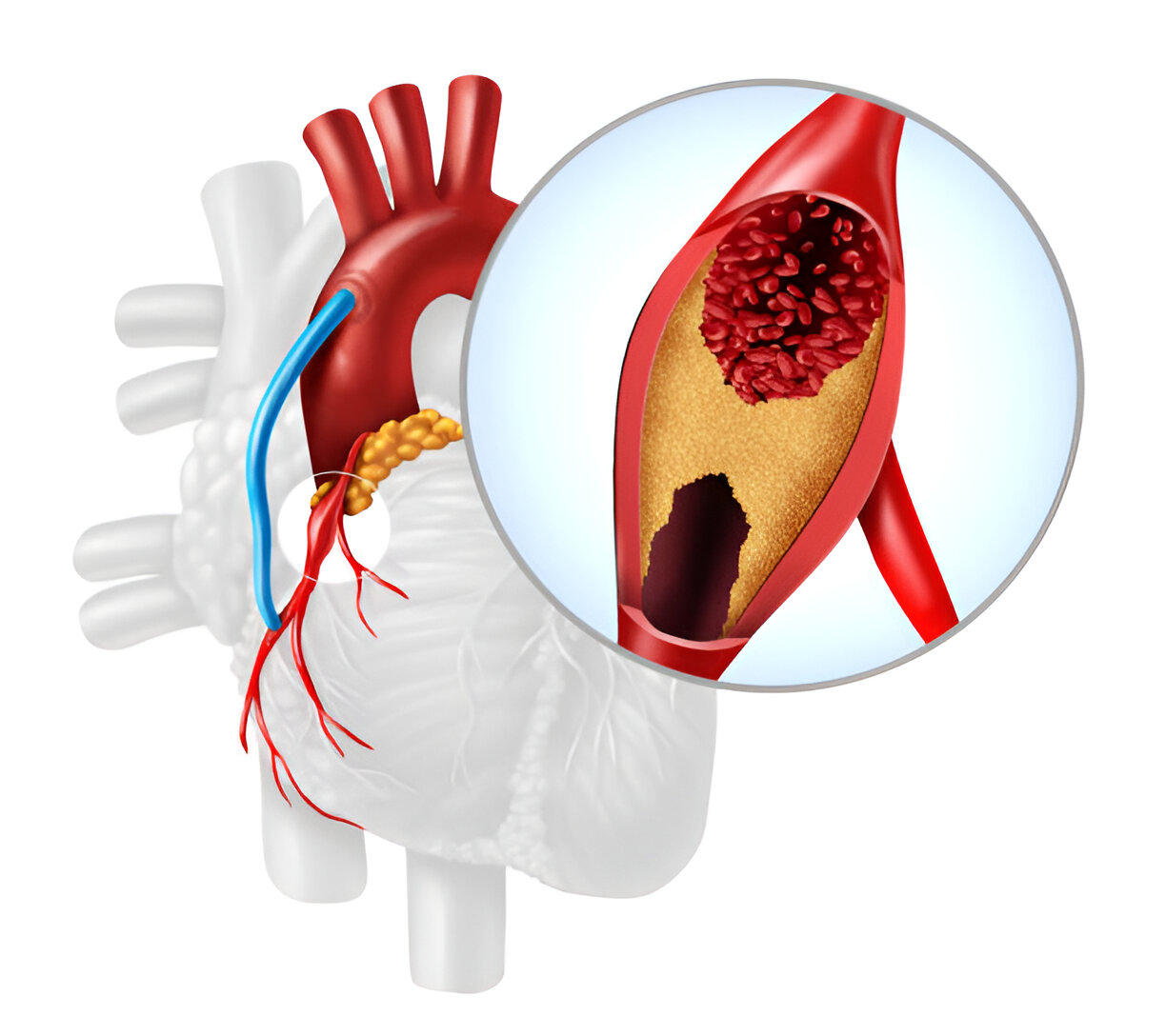
Patients may require CABG for various reasons, including:
- Severe Coronary Artery Disease: Blockages that significantly restrict blood flow to the heart.
- Unstable Angina: Chest pain that occurs at rest or with minimal exertion, indicating a risk of heart attack.
- Heart Attack: Following a heart attack, CABG may be necessary to restore blood flow to damaged heart tissue.
- Poor Heart Function: Reduced ejection fraction due to coronary artery disease.
How CABG Works
- Pre-Procedure Evaluation: Comprehensive assessments, including echocardiograms, stress tests, and coronary angiography, to evaluate heart function and determine the extent of blockages.
- Anesthesia: The procedure is performed under general anesthesia to ensure patient comfort.
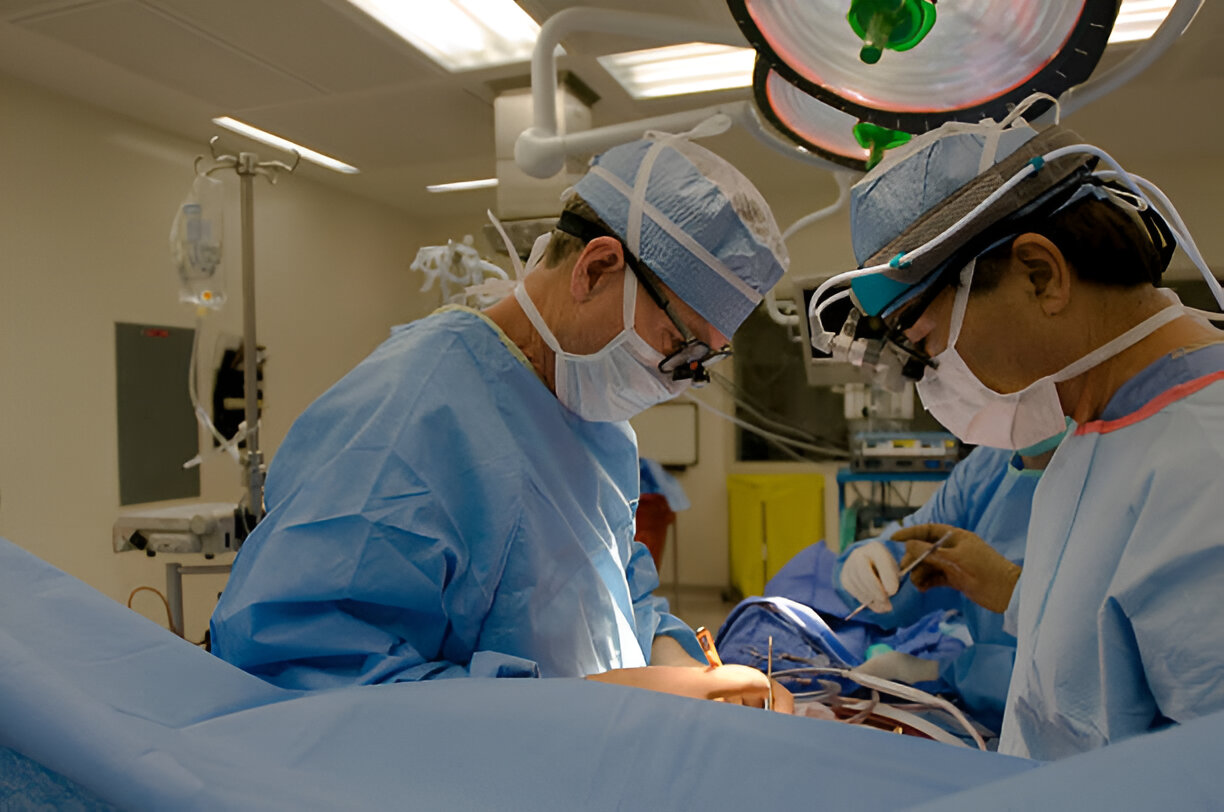
- Surgical Access: The surgeon typically makes an incision down the center of the chest to access the heart. Minimally invasive techniques may also be employed in select cases.
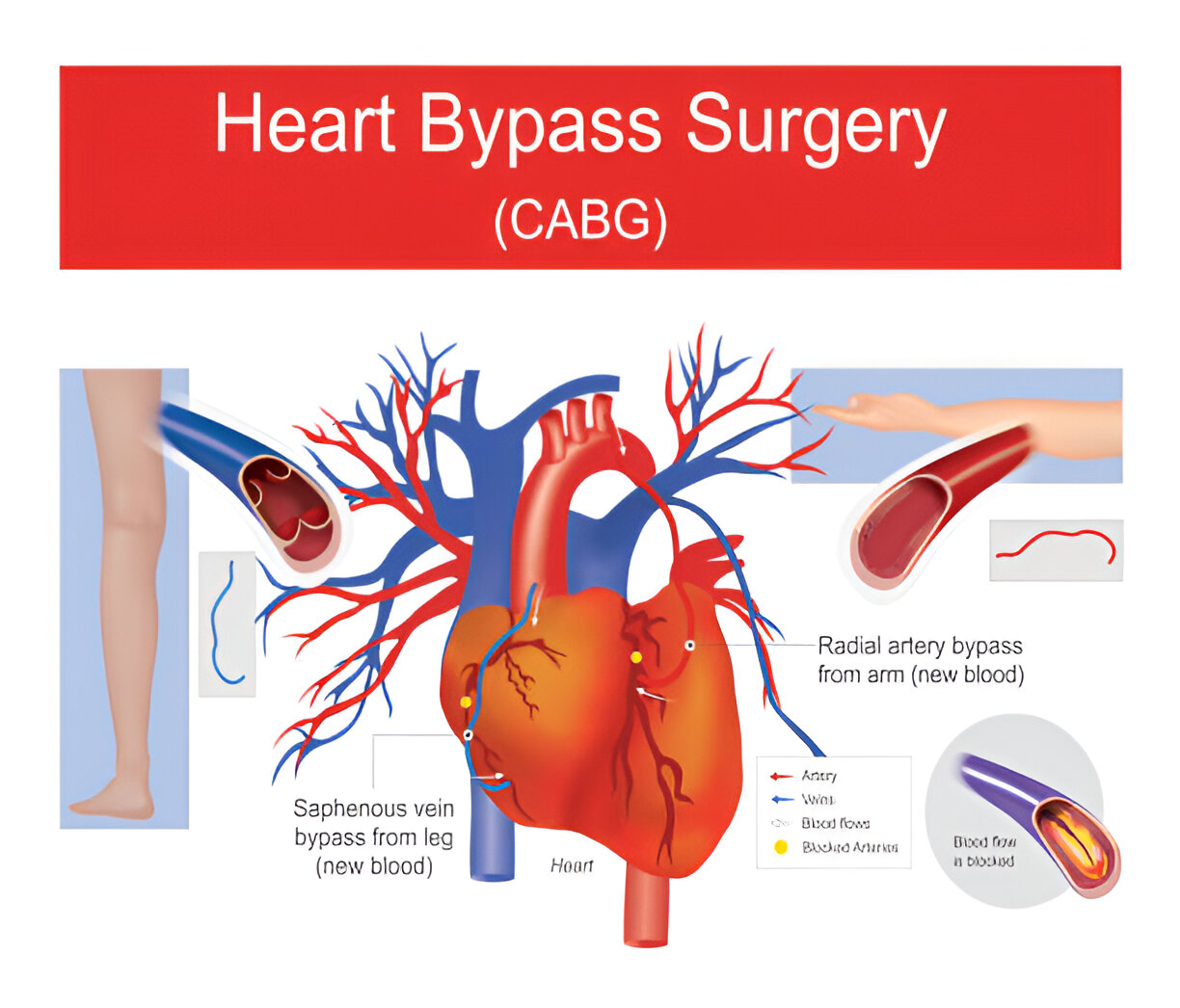
- Harvesting Grafts: Blood vessels are taken from the patient, commonly the saphenous vein from the leg, the internal mammary artery from the chest, or the radial artery from the arm.
- Bypass Creation: The surgeon attaches the grafts to the coronary arteries, bypassing the blocked sections and allowing blood to flow freely to the heart muscle.
- Closure: Once the grafts are in place, the surgeon will close the chest and monitor the patient in the recovery room.
- Improved Blood Flow: Restores adequate blood supply to the heart, alleviating symptoms of angina and preventing further heart damage.
- Reduced Risk of Heart Attack: Significantly decreases the likelihood of future heart attacks in patients with severe coronary artery disease.
- Enhanced Quality of Life: Many patients experience improved exercise tolerance and overall well-being after recovery.
While CABG is generally safe, potential risks include:
- Infection: Risk of infection at the incision site or in the chest cavity.
- Bleeding: Significant bleeding can occur during or after surgery, potentially requiring transfusions.
- Heart Rhythm Problems: Arrhythmias may occur post-surgery but are usually manageable.
- Stroke: Though rare, there is a risk of stroke due to blood clots or reduced blood flow during surgery.

Post-Procedure Care
- Hospital Stay: Patients typically stay in the hospital for 4-7 days for monitoring and recovery.
- Cardiac Rehabilitation: A structured program involving supervised exercise, education, and support to facilitate recovery and promote heart health.
- Follow-Up Appointments: Regular check-ups to monitor heart function and the effectiveness of the grafts.
- Pre-Procedure Counseling: Detailed discussions regarding the procedure, recovery expectations, and potential outcomes.
- Pain Management: Effective pain control measures will be implemented to ensure patient comfort during recovery.
- Gradual Resumption of Activities: Most patients can gradually return to normal activities within 6-12 weeks, with specific recommendations provided by their healthcare provider.

Patient Testimonials


FAQ's
How long does the CABG procedure take?
The surgery typically lasts 3-6 hours, depending on the number of bypasses needed.
Will I need to take medication after surgery?
Yes, most patients will require medications to manage blood pressure, cholesterol, and prevent blood clots.
How long is the recovery period?
Recovery varies, but many patients can return to normal activities within 6-12 weeks.
Talk To Us
If you or a loved one is concerned about aortic aneurysms or requires treatment, our expert team is ready to provide compassionate care and advanced treatment options.