
Aortic Stent Graft
Aortic stent grafts are crucial in treating life-threatening conditions such as aortic aneurysms and dissections. With more than 200,000 procedures performed annually in the United States, understanding this treatment is vital for patients and their families. This guide aims to provide comprehensive, evidence-based information about aortic stent grafts, their purpose, procedure, benefits, risks, and recovery.
What is an Aortic Stent Graft?
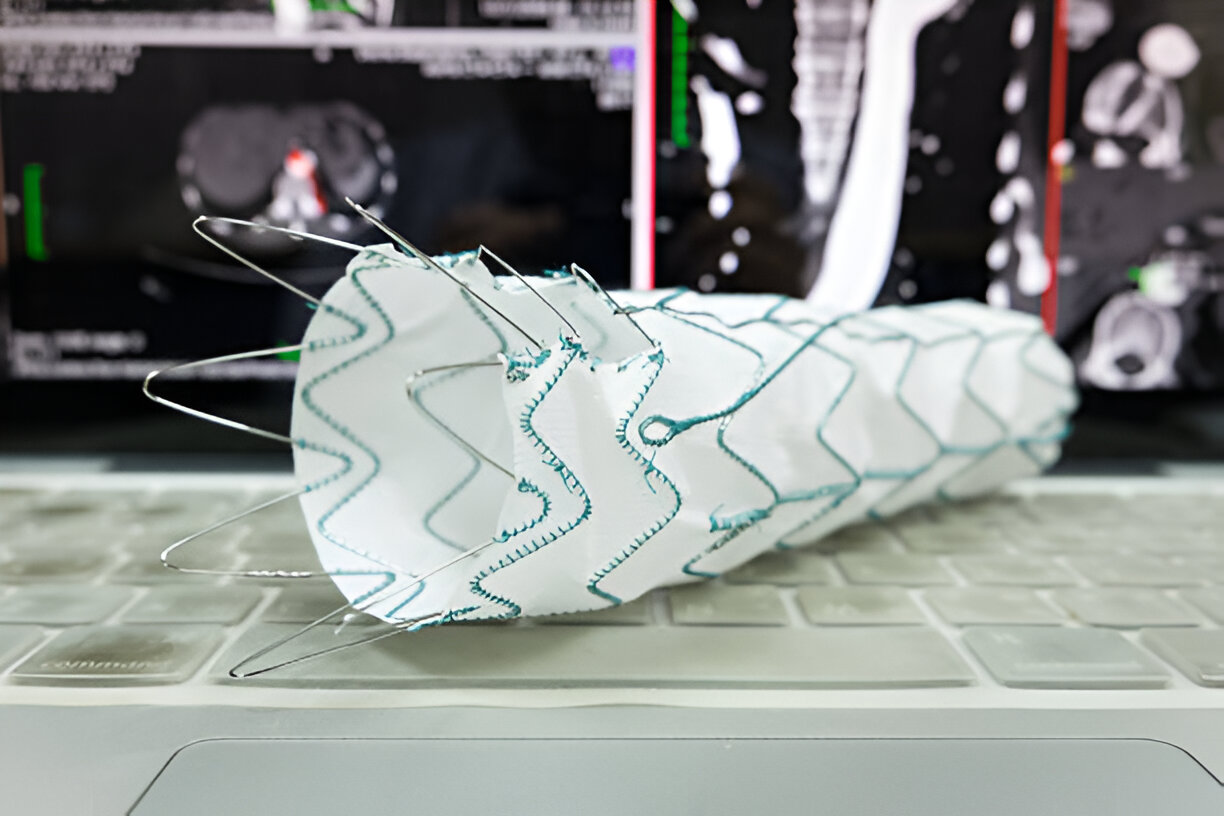
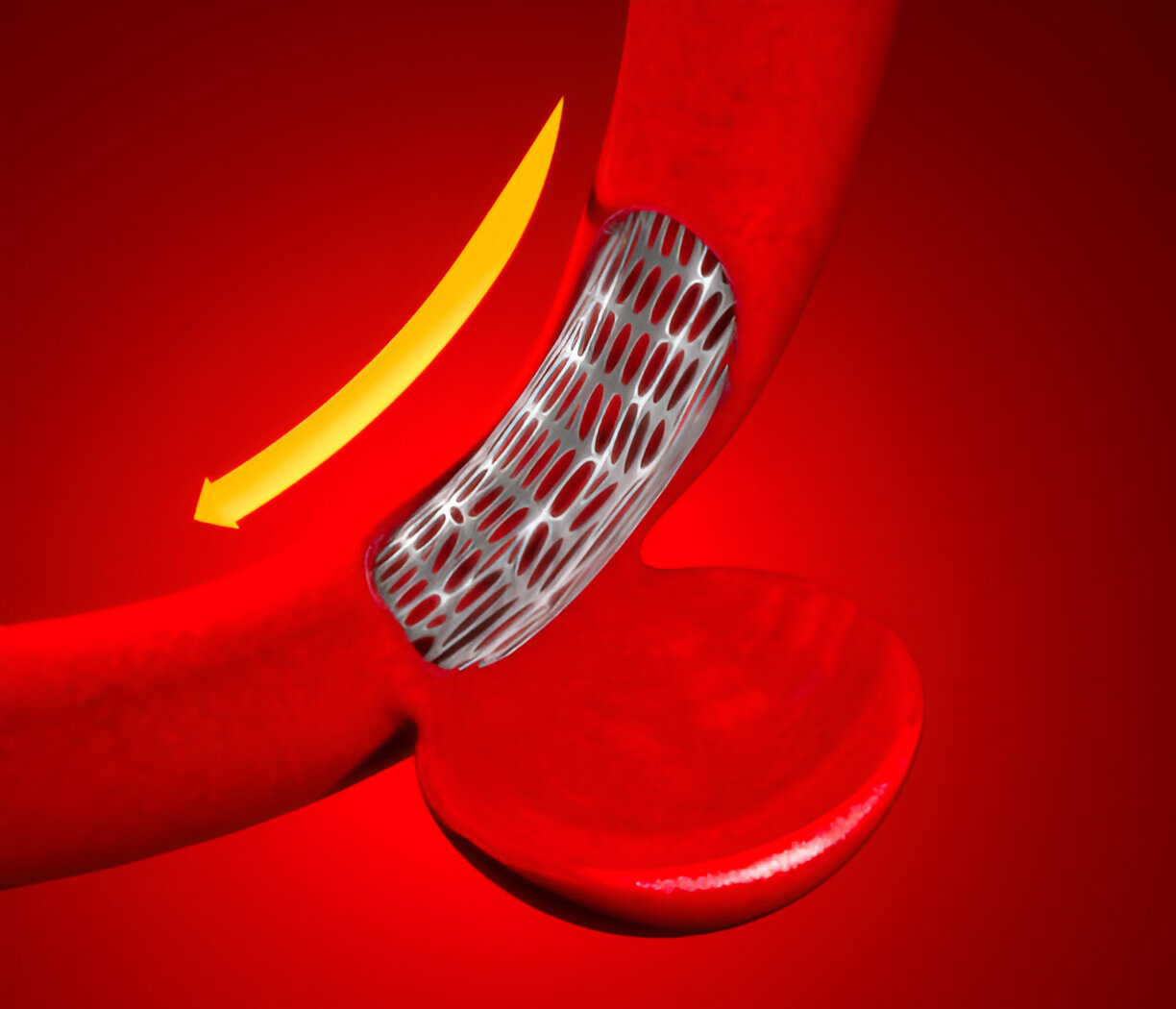
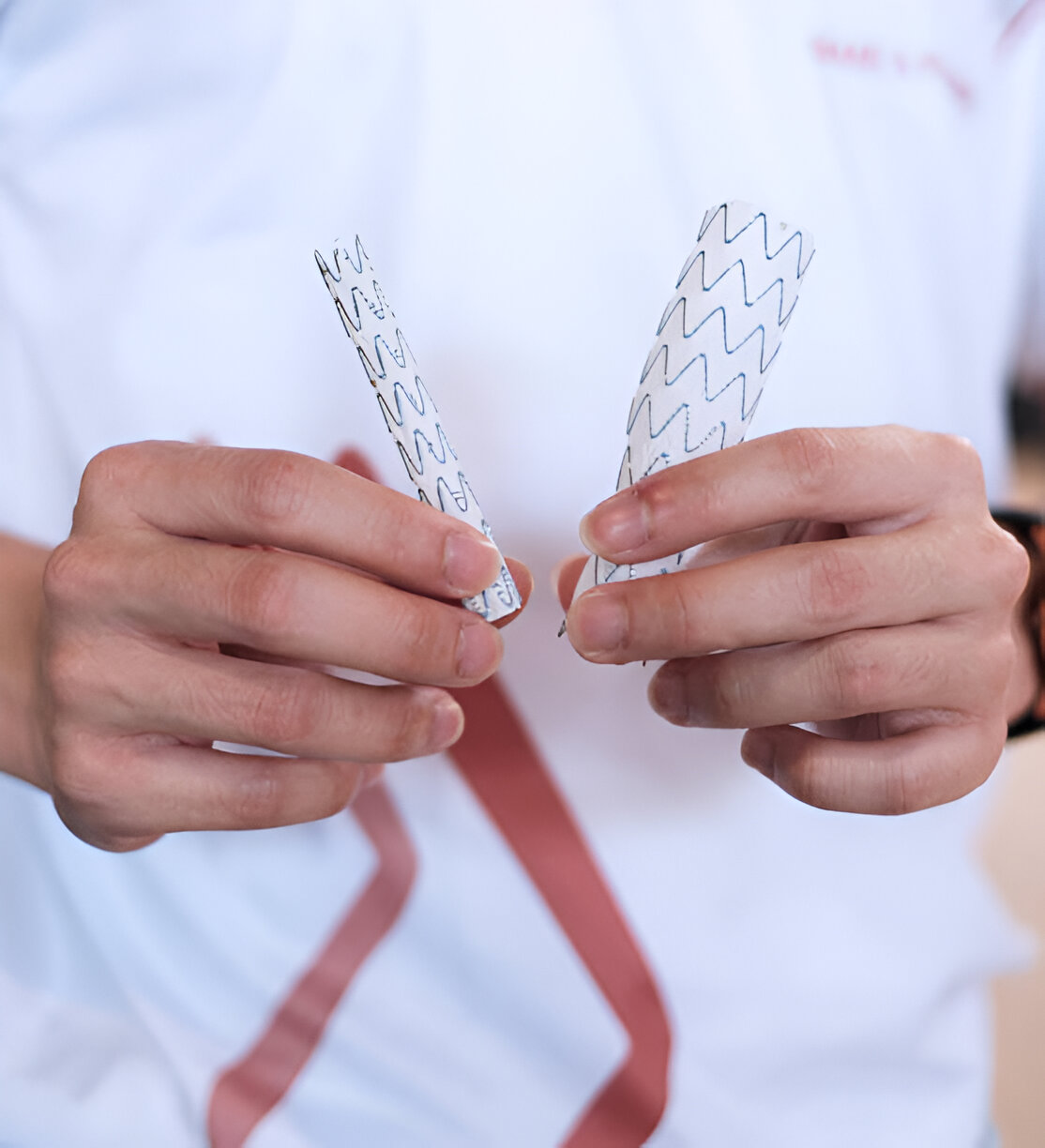
An aortic stent graft is a specialized device used to reinforce weakened areas of the aorta, the body’s largest artery. It consists of a synthetic fabric tube supported by a metal mesh (stent), designed to restore normal blood flow and prevent rupture.
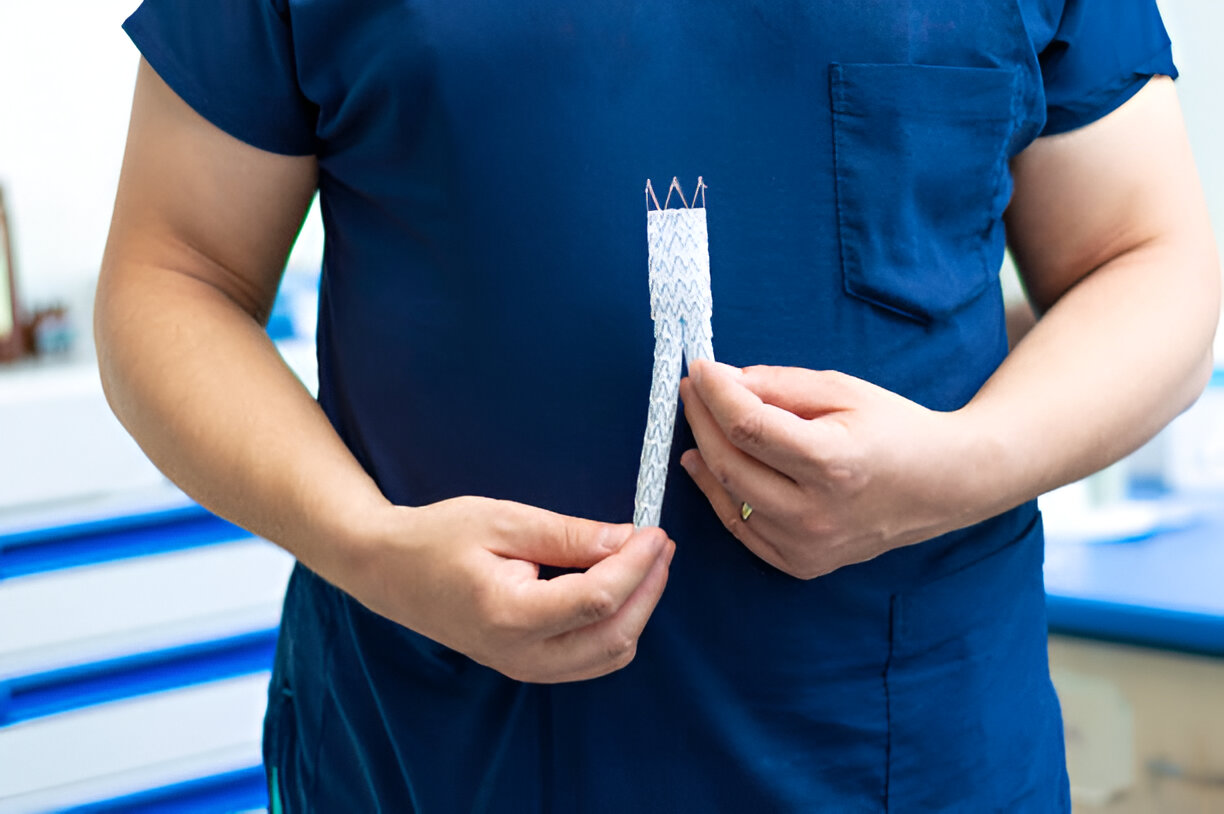
Aortic stent grafts are primarily used to treat:
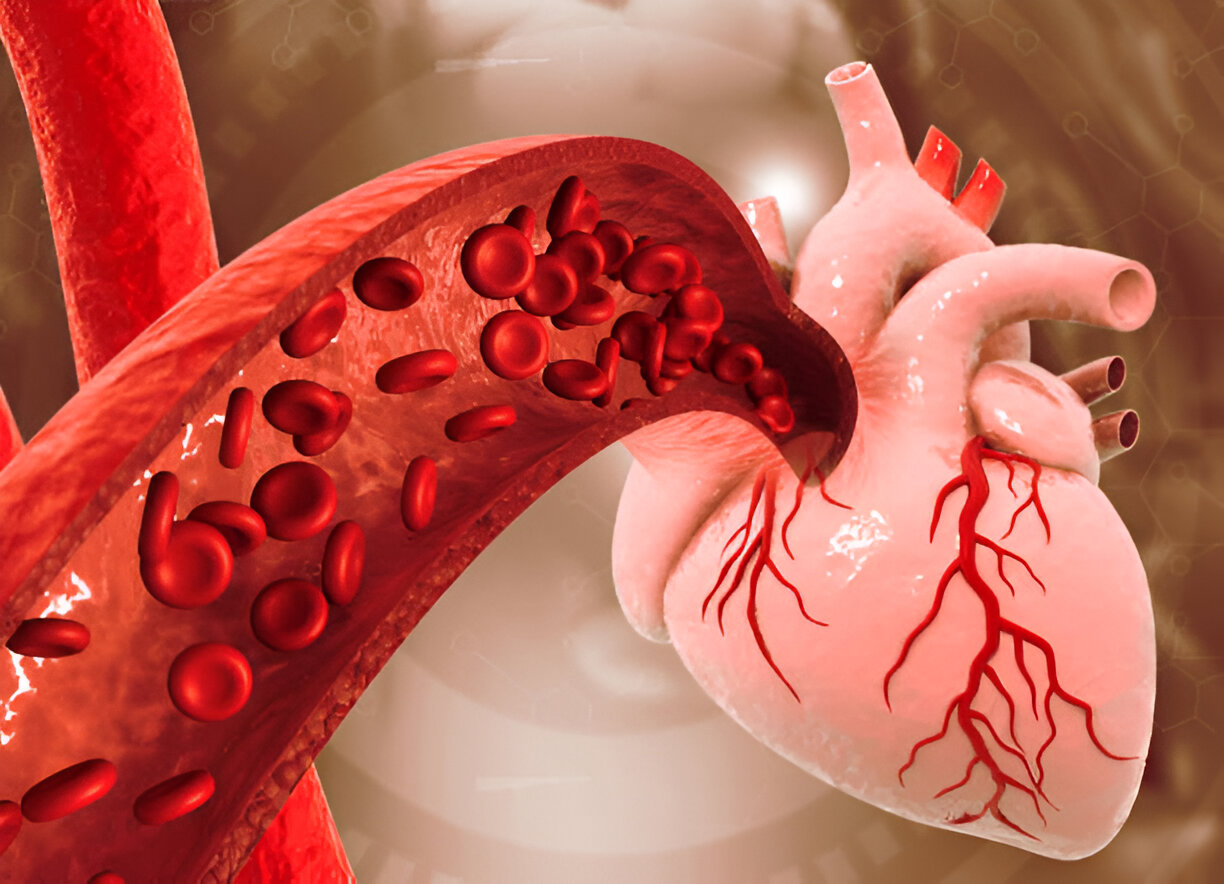
- Aortic Aneurysms: Bulges in the aorta that can lead to rupture. Approximately 15,000 deaths occur annually in the U.S. due to ruptured aneurysms.
- Aortic Dissections: A tear in the aorta’s inner layer, which can cause severe internal bleeding and high mortality rates.
Patients may require an aortic stent graft for the following reasons:
- Symptomatic Aneurysms: Presence of pain or other symptoms associated with an aneurysm.
- Large Aneurysms: Typically, those measuring 5.5 cm or larger in the abdominal aorta.
- Rapidly Growing Aneurysms: Aneurysms that grow more than 0.5 cm within six months.
- Aortic Dissections: Immediate intervention required for those with significant tears.
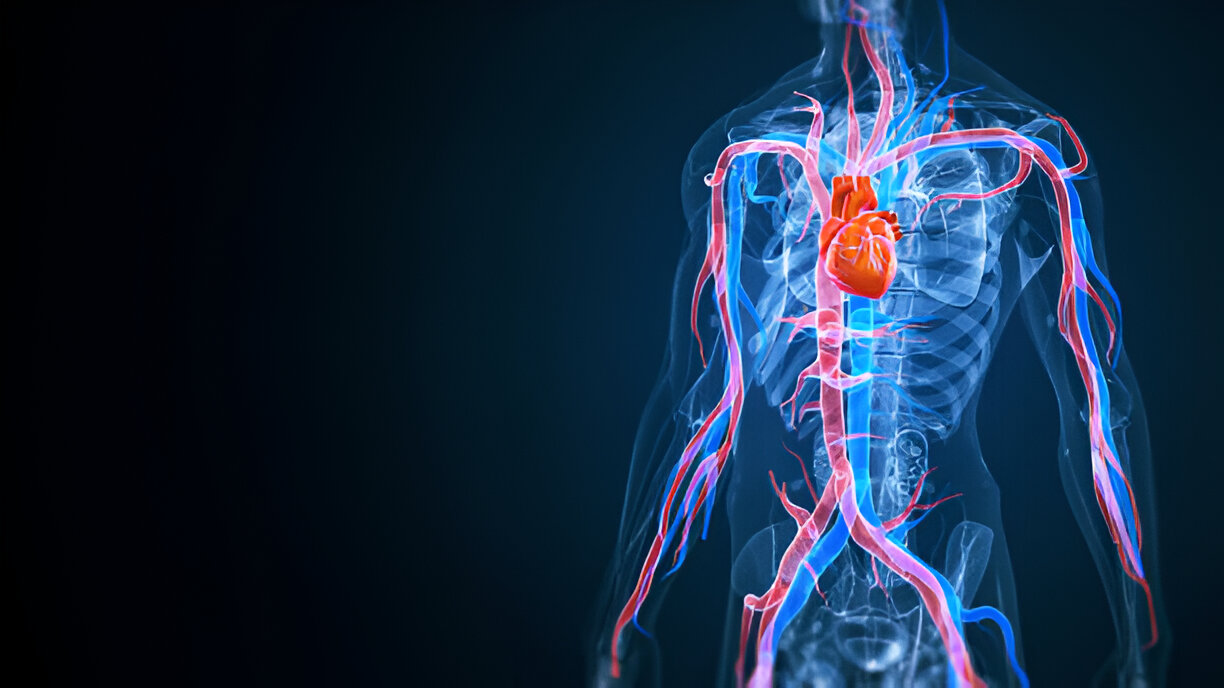
How It Works
- Pre-Procedure Imaging: Diagnostic imaging, such as CT scans or ultrasounds, are conducted to evaluate the aneurysm or dissection.
- Anesthesia: The procedure is usually performed under general anesthesia for patient comfort.
- Access Point: A small incision is typically made in the groin to access the femoral artery.
- Catheter Insertion: A catheter is guided through the blood vessels to the site of the aneurysm or dissection.
- Graft Deployment: The stent graft is positioned and expanded within the aorta, creating a new channel for blood flow.
- Closure: The incision is closed, often requiring minimal suturing or adhesive.
- Endovascular Stent Grafts: The most common approach, suitable for many patients, with shorter recovery times and lower complication rates.
- Open Surgical Stent Grafts: Used for complex cases where endovascular methods are not feasible, involving longer recovery periods.
While aortic stent grafts are generally safe, patients should be aware of potential risks:
- Infection: Occurring in about 1-3% of cases, necessitating prompt medical intervention.
- Endo leak: Blood can leak back into the aneurysm sac, requiring additional procedures in up to 25% of patients.
- Stent Migration: The graft can shift from its intended position, affecting less than 5% of cases.
While aortic stent grafts are generally safe, patients should be aware of potential risks:
- Infection: Occurring in about 1-3% of cases, necessitating prompt medical intervention.
- Endo leak: Blood can leak back into the aneurysm sac, requiring additional procedures in up to 25% of patients.
- Stent Migration: The graft can shift from its intended position, affecting less than 5% of cases.
Post-Procedure Care
- Monitoring: Patients are typically monitored for a few days in the hospital to manage any complications.
- Follow-Up Appointments: Regular imaging (CT or ultrasound) is necessary to ensure the stent graft remains in place and functions properly, usually within the first year and annually thereafter.
- Lifestyle Modifications: Patients are encouraged to adopt a heart-healthy lifestyle, including a balanced diet, regular exercise, and avoiding smoking.
- Pre-Procedure Consultation: Detailed discussions with the healthcare team about risks, benefits, and expectations.
- Pain Management: Most patients experience manageable discomfort post-procedure, typically alleviated with prescribed medications.
- Return to Normal Activities: Many patients can return to daily activities within a few weeks, but heavy lifting and strenuous activities should be avoided initially.
Patient Testimonials


FAQ's
How long does the procedure take?
The procedure typically lasts 1 to 3 hours, depending on the complexity.
Will I need medication after the procedure?
Yes, patients often require blood thinners or other medications to prevent clot formation.
How soon can I resume normal activities?
Most patients can return to normal activities within a few weeks, but follow your doctor’s specific advice regarding limitations.
Talk To Us
If you or a loved one is concerned about aortic aneurysms or requires treatment, our expert team is ready to provide compassionate care and advanced treatment options.