
Atrial Septal Defect (ASD)
An atrial septal defect (ASD) is a congenital heart defect characterized by an opening in the wall (septum) that separates the two upper chambers of the heart (the atria). Affecting approximately 1 in 1,500 live births, ASDs can lead to significant cardiovascular complications if left untreated. This guide aims to provide detailed information about ASDs, including their causes, symptoms, diagnosis, treatment options, and recovery.
What is an Atrial Septal Defect?
An ASD is a hole in the atrial septum that allows blood to flow between the left and right atria. This can result in increased blood flow to the lungs and may lead to various complications over time, such as heart failure and pulmonary hypertension.
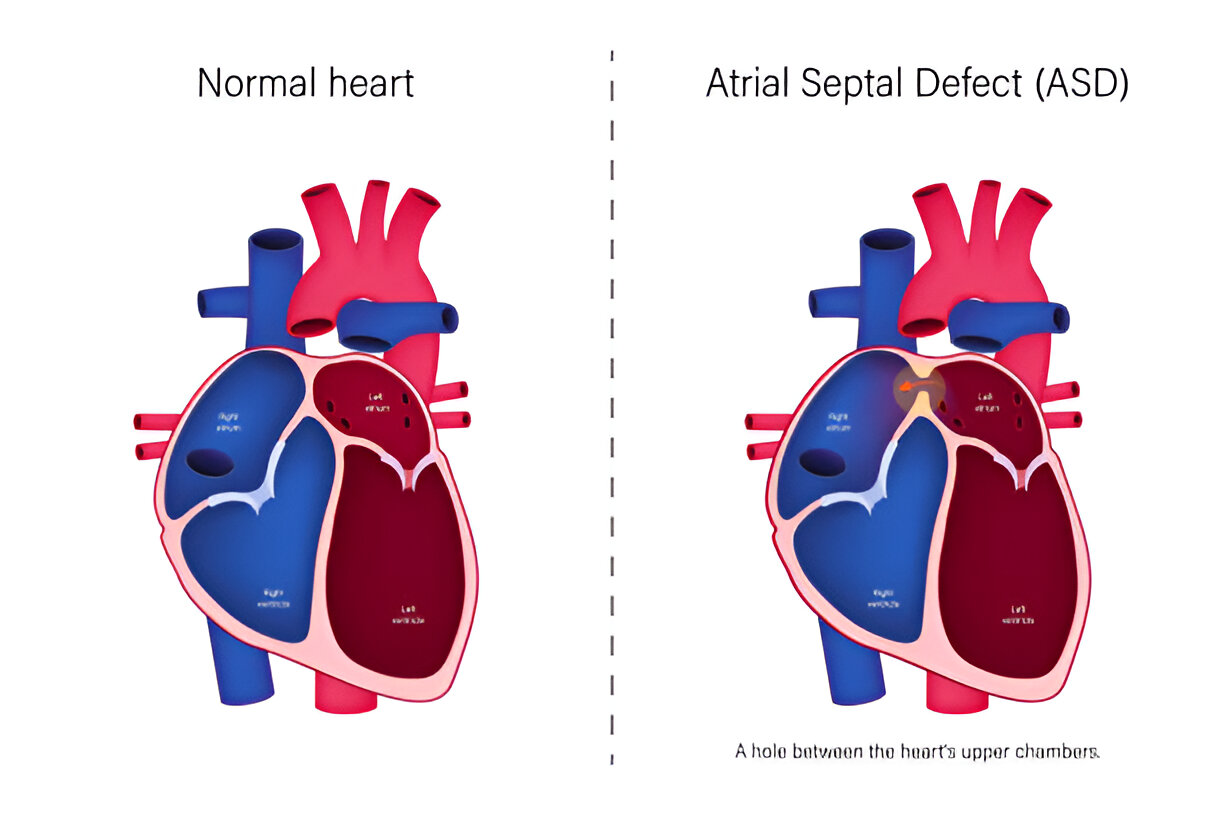
- Ostium Secundum ASD: The most common type, located in the middle part of the septum.
- Ostium Primum ASD: Found lower in the septum and often associated with other congenital heart defects.
- Sinus Venosus ASD: Located near the entry point of the superior vena cava into the right atrium.
The exact cause of ASDs is often unknown, but several factors may contribute:
- Genetic Predisposition: Family history of congenital heart defects can increase risk.
- Environmental Factors: Maternal exposure to certain medications, alcohol, or infections during pregnancy may play a role.
- Other Congenital Conditions: Conditions such as Down syndrome may be associated with ASDs.
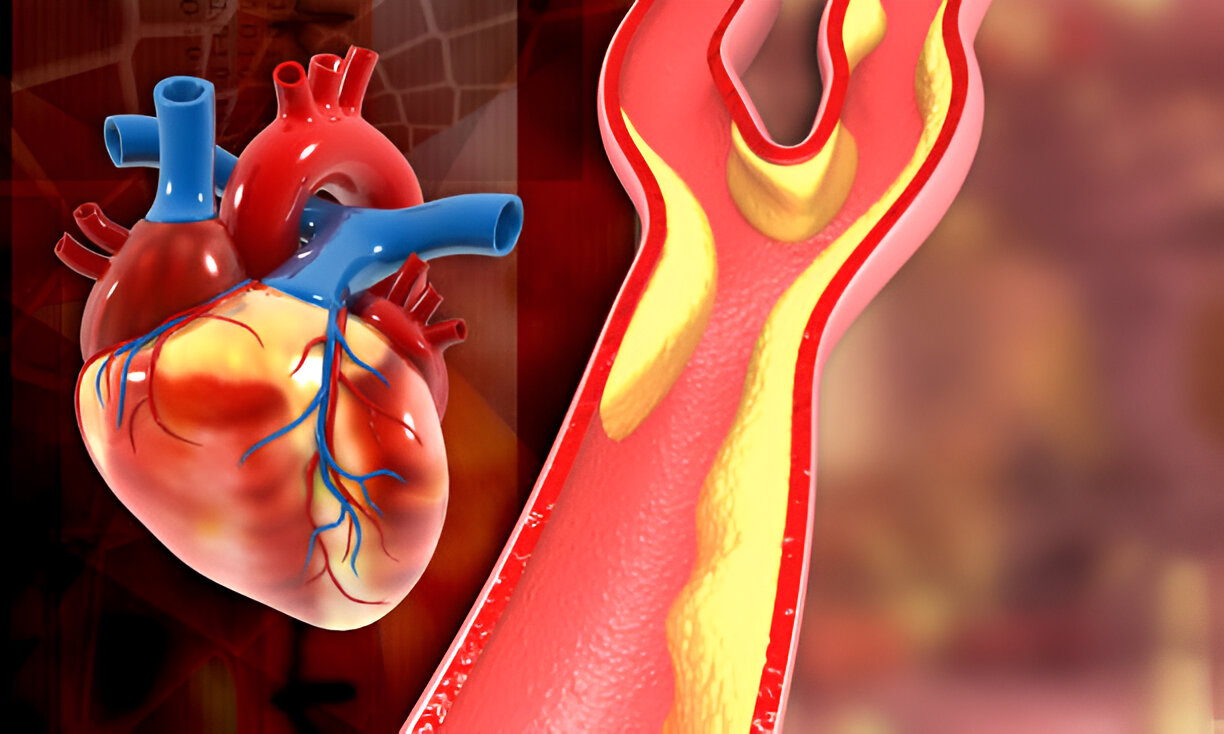
Many individuals with ASD are asymptomatic in childhood and may not experience symptoms until adulthood. Common symptoms can include:
- Shortness of Breath: Particularly during physical activity.
- Fatigue: Unusual tiredness or decreased exercise tolerance.
- Heart Palpitations: Irregular heartbeats or a sensation of a racing heart.
- Frequent Respiratory Infections: Increased susceptibility to lung infections.

Diagnosing an ASD typically involves several evaluations:
- Echocardiogram: The primary diagnostic tool that uses sound waves to create images of the heart, showing the defect and assessing its size.
- Chest X-Ray: To evaluate heart size and blood flow to the lungs.
- Electrocardiogram (ECG): To check for irregular heart rhythms.
- Cardiac MRI or CT Scan: Occasionally used for more detailed images of heart structure.
The treatment for ASD depends on the size of the defect, the presence of symptoms, and any associated complications.
- Monitoring
For small, asymptomatic ASDs, careful monitoring may be sufficient. Regular follow-up with echocardiograms helps assess whether the defect is causing problems.
- Medications
While there is no specific medication to close an ASD, patients may be prescribed medications to manage symptoms, such as:
- Diuretics: To reduce fluid buildup.
- Anticoagulants: To prevent blood clots, particularly in patients with atrial fibrillation.
- Surgical Closure
Indicated for larger ASDs or symptomatic patients:
- Open Heart Surgery: The traditional approach where the ASD is closed using a patch or sutures. This method requires a larger incision and a longer recovery time.
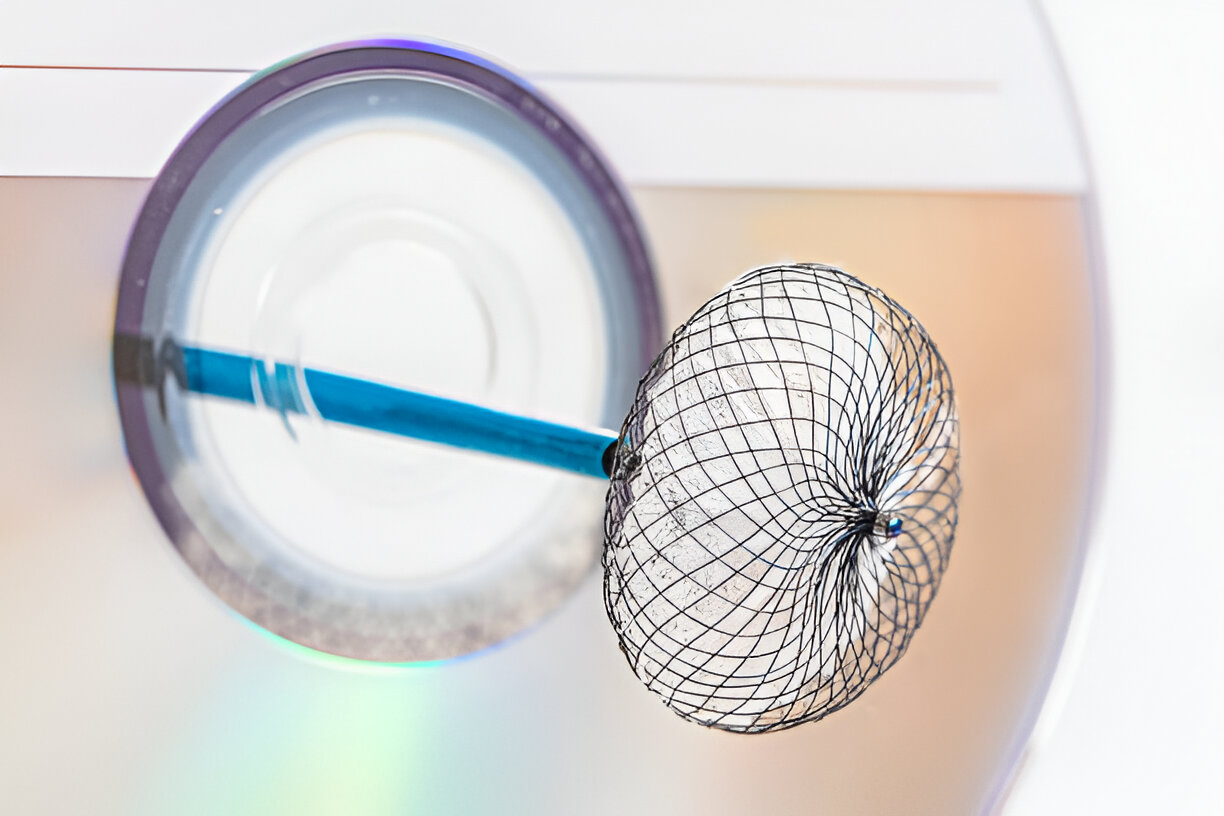
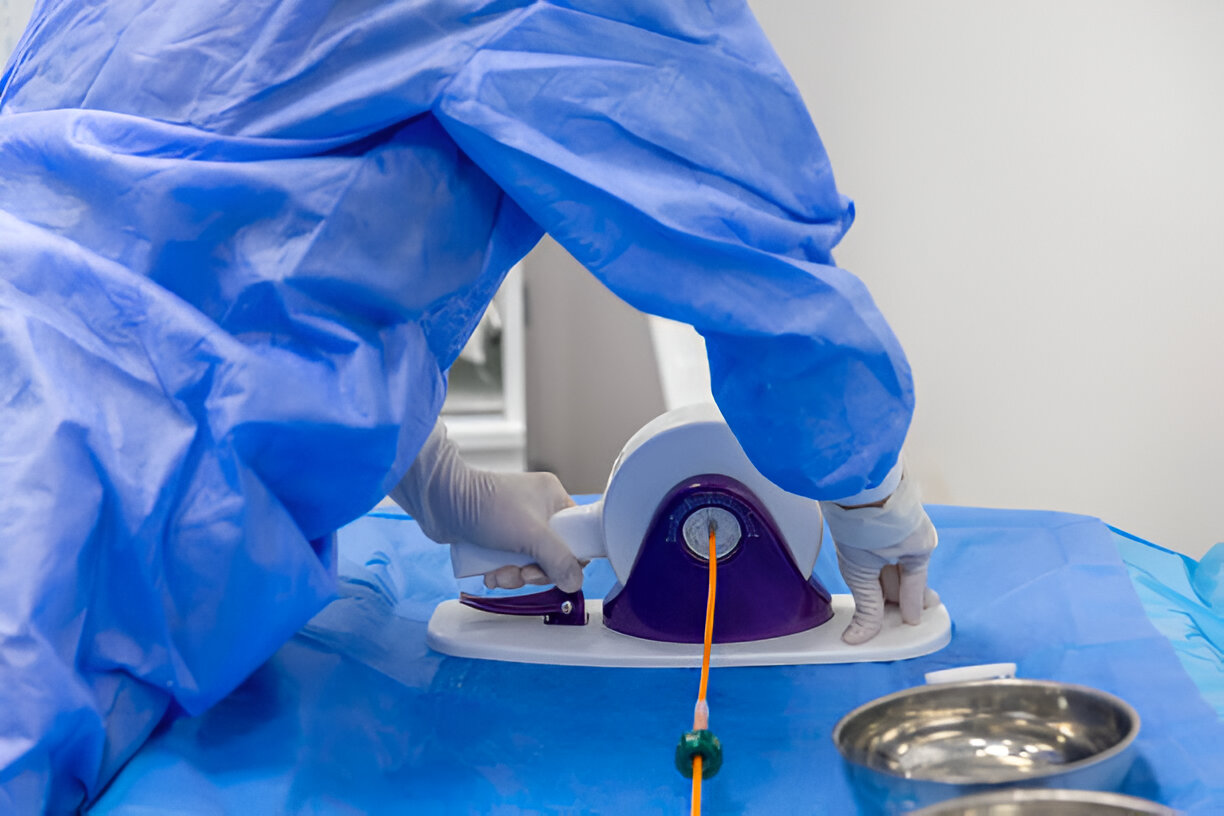
- Minimally Invasive Techniques: Some ASDs can be closed using catheter-based techniques, where a device is delivered through a catheter inserted into a blood vessel, reducing recovery time and hospital stay.
While ASD treatments are generally safe, potential risks include:
- Infection: Risk of infection at the incision site or in the heart (endocarditis).
- Bleeding: Possible bleeding during or after the procedure.
- Arrhythmias: Changes in heart rhythm may occur post-surgery but are typically manageable.
- Device-related Issues: In catheter-based closures, there may be a risk of device migration or incomplete closure
Post-Procedure Care
- Hospital Stay: Most patients stay in the hospital for 1-3 days following closure, depending on the method used.
- Follow-Up Appointments: Regular follow-ups are essential to monitor heart function and ensure proper recovery.
- Lifestyle Modifications: Patients are encouraged to adopt a heart-healthy lifestyle, including a balanced diet, regular exercise, and avoiding smoking.
- Pre-Procedure Counseling: Thorough discussions regarding the procedure, recovery expectations, and potential outcomes.
- Pain Management: Effective pain control measures will be implemented to ensure patient comfort during recovery.
- Gradual Resumption of Activities: Most patients can return to normal activities within a few weeks, with specific recommendations from their healthcare provider.
Patient Testimonials


FAQ's
Can ASDs close on their own?
Some small ASDs may close on their own during childhood, but larger defects typically require intervention.
How long is the recovery period?
Recovery varies by procedure type, but many patients can return to normal activities within 4-6 weeks.
Will I need regular check-ups after treatment?
Yes, follow-up visits are essential to monitor heart health and ensure no complications arise.
Talk To Us
If you or a loved one has been diagnosed with an atrial septal defect or is experiencing symptoms, our dedicated team of specialists is here to provide expert care and support.