
Aortic Aneurysm
Aortic aneurysms are life-threatening conditions characterized by the abnormal dilation of the aorta, the body’s largest artery. Affecting approximately 200,000 individuals in the U.S. each year, aortic aneurysms can lead to severe complications, including rupture, which is fatal in about 75% of cases. This guide aims to provide an in-depth understanding of aortic aneurysms, their causes, symptoms, diagnosis, treatment options, and preventive measures.
What is an Aortic Aneurysm?
An aortic aneurysm occurs when a section of the aorta weakens and bulges, potentially leading to rupture. Aneurysms can occur in different segments of the aorta, with the most common types being:
- Abdominal Aortic Aneurysm (AAA): Located in the abdominal section of the aorta.
- Thoracic Aortic Aneurysm (TAA): Found in the chest area of the aorta.

Understanding aortic aneurysms is crucial because:
- Rupture Risk: Aortic aneurysms can rupture, leading to massive internal bleeding and high mortality rates.
- Symptomatic Awareness: Early detection significantly improves treatment outcomes and survival rates.
Aortic aneurysms may arise due to a combination of factors, including:
- Atherosclerosis: The buildup of plaque in the arteries, leading to weakening of the vessel wall.
- Genetic Conditions: Disorders such as Marfan syndrome and Ehlers-Danlos syndrome increase the risk of aneurysms.
- Age: The risk increases with age, particularly in individuals over 65.
- Gender: Men are more likely than women to develop aortic aneurysms.
- Family History: A family history of aneurysms increases the risk significantly.
- Lifestyle Factors: Smoking, high blood pressure, and high cholesterol are contributing factors.
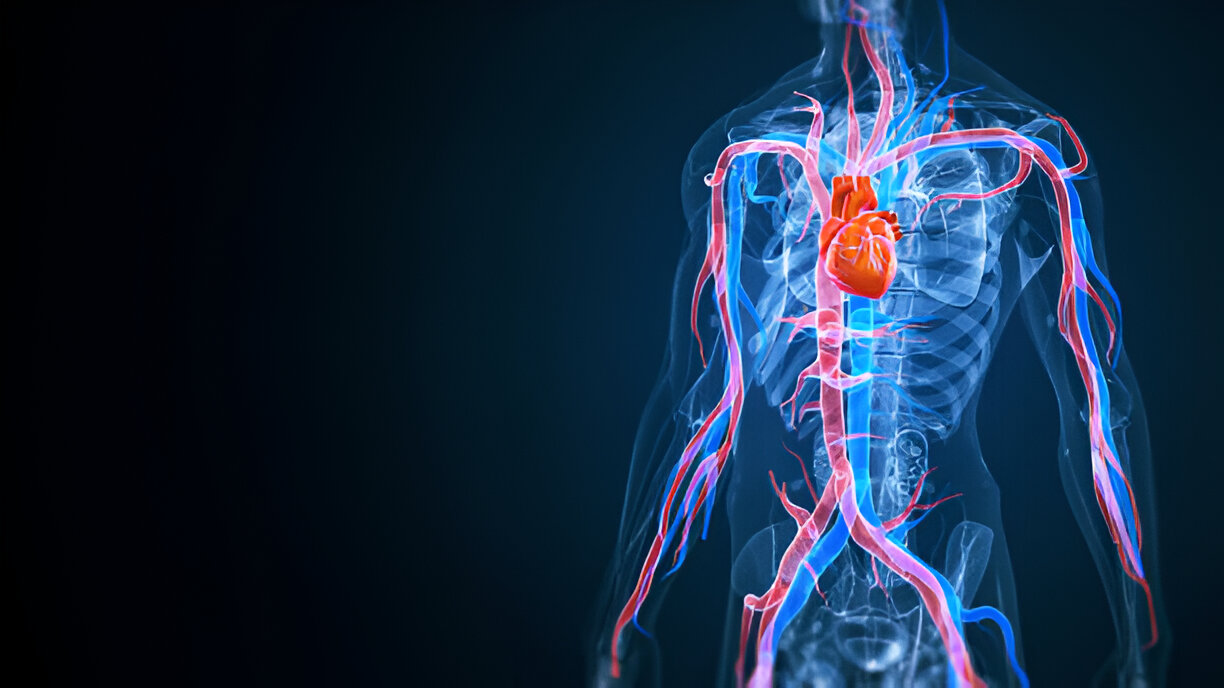
Many aortic aneurysms are asymptomatic until they reach a critical size or rupture. However, when symptoms do occur, they may include:
- Abdominal Pain: A deep, constant pain in the abdomen or side.
- Chest Pain: Discomfort in the chest or back, especially in thoracic aneurysms.
- Pulse Sensation: A throbbing feeling near the navel.
- Sudden Severe Pain: A sign of rupture, which may present as sharp, tearing pain in the back or abdomen.
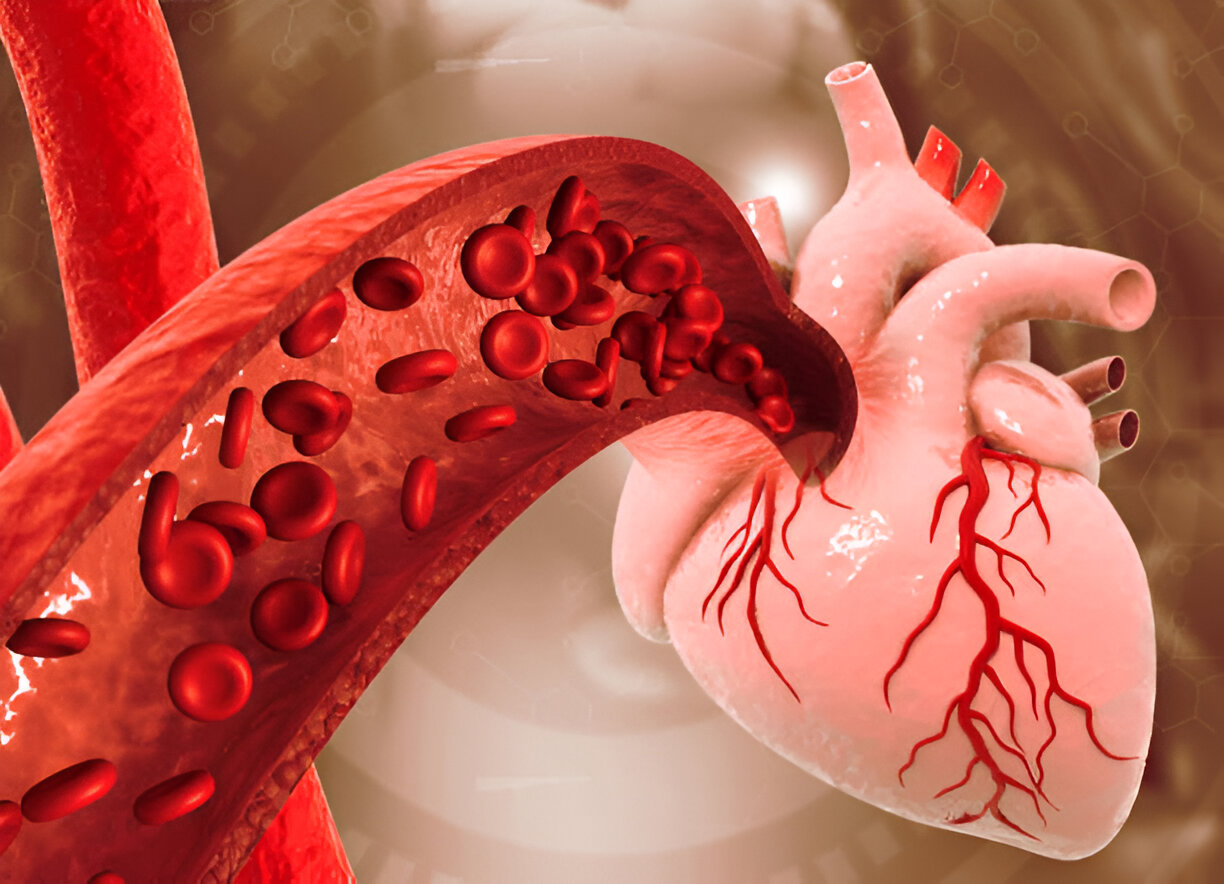
Diagnosing an aortic aneurysm typically involves several imaging techniques, including:
- Ultrasound: A non-invasive method to visualize the size and location of the aneurysm.
- CT Scan: Provides detailed images of the aorta, helping to determine the aneurysm’s size and structure.
- MRI: Used to assess aortic conditions without exposure to radiation.
- X-rays: Occasionally used to assess the aorta in certain contexts.

The treatment approach depends on the aneurysm’s size, type, and growth rate.
Monitoring
For small, asymptomatic aneurysms (typically under 5.5 cm):
- Regular Imaging: Patients may undergo periodic ultrasounds or CT scans to monitor the aneurysm’s size and growth.
- Lifestyle Modifications: Recommendations include smoking cessation, dietary changes, and blood pressure management.
Surgical Options
When an aneurysm reaches a significant size or shows rapid growth, surgical intervention may be necessary:
- Open Surgical Repair:
- Involves a large incision to remove the damaged section of the aorta and replace it with a synthetic graft.
- Recommended for large aneurysms and patients in good health.
- Mortality rate of about 5-10% in high-risk patients.
- Endovascular Aneurysm Repair (EVAR):
- A minimally invasive procedure using a catheter to place a stent graft within the aorta.
- Associated with shorter recovery times and fewer complications.
- Suitable for many patients, especially those with complex medical histories.
Benefits
- Reduced Risk of Rupture: Surgical repair significantly lowers the risk of life-threatening rupture.
- Improved Quality of Life: Patients often experience relief from symptoms and improved overall health following treatment.
Risks
- Surgical Complications: Possible complications include infection, bleeding, and adverse reactions to anesthesia.
- Endo leak: In EVAR, there is a risk of blood leaking into the aneurysm sac, potentially requiring further intervention.
Patients generally considered for treatment include:
- Individuals with an AAA measuring 5.5 cm or larger.
- Those with a TAA of 6 cm or larger.
- Patients exhibiting symptoms of aneurysms, regardless of size.
- Individuals with rapidly growing aneurysms (more than 0.5 cm in six months).
Pre-Procedure
- Consultation: A thorough discussion about medical history, risk factors, and treatment options.
- Pre-Operative Testing: Imaging studies and lab tests to assess overall health.
Post-Procedure Care
- Hospital Stay: Open repair may require several days in the hospital, while EVAR patients may be discharged within 24-48 hours.
- Follow-Up: Regular check-ups and imaging to monitor for complications.
- Lifestyle Guidance: Continued emphasis on heart-healthy living to reduce further risk.
Patient Testimonials


FAQ's
Can aortic aneurysms be prevented
While not all aneurysms can be prevented, managing risk factors such as blood pressure, cholesterol, and avoiding smoking can significantly lower risk.
How often should I be monitored for an aneurysm?
Patients with small, asymptomatic aneurysms typically require imaging every 6-12 months.
What lifestyle changes are recommended post-surgery?
Adopting a heart-healthy diet, engaging in regular physical activity, and managing stress are crucial for long-term health.
Talk To Us
If you or a loved one is concerned about aortic aneurysms or requires treatment, our expert team is ready to provide compassionate care and advanced treatment options.